The Hidden Cost of Traditional Stadium Lights: Consuming 2-4* More Than YouThink
Most people believe a 1000w stadium light consumes exactly 1000 watts. But that's only what you see on the label.
The truth? Traditional Metal Halide and HpS fixtures actually consume 2-4* more energy and costs than their wattagesuggests.
Between ballast losses, rapid lumen depreciation, constant maintenance at 30m heights, and poor light quality thatforces over-lighting, the real price goes far beyond electricity.What looks like "just watts" is, in reality, a drain on your budget, manpower, and facility performance.
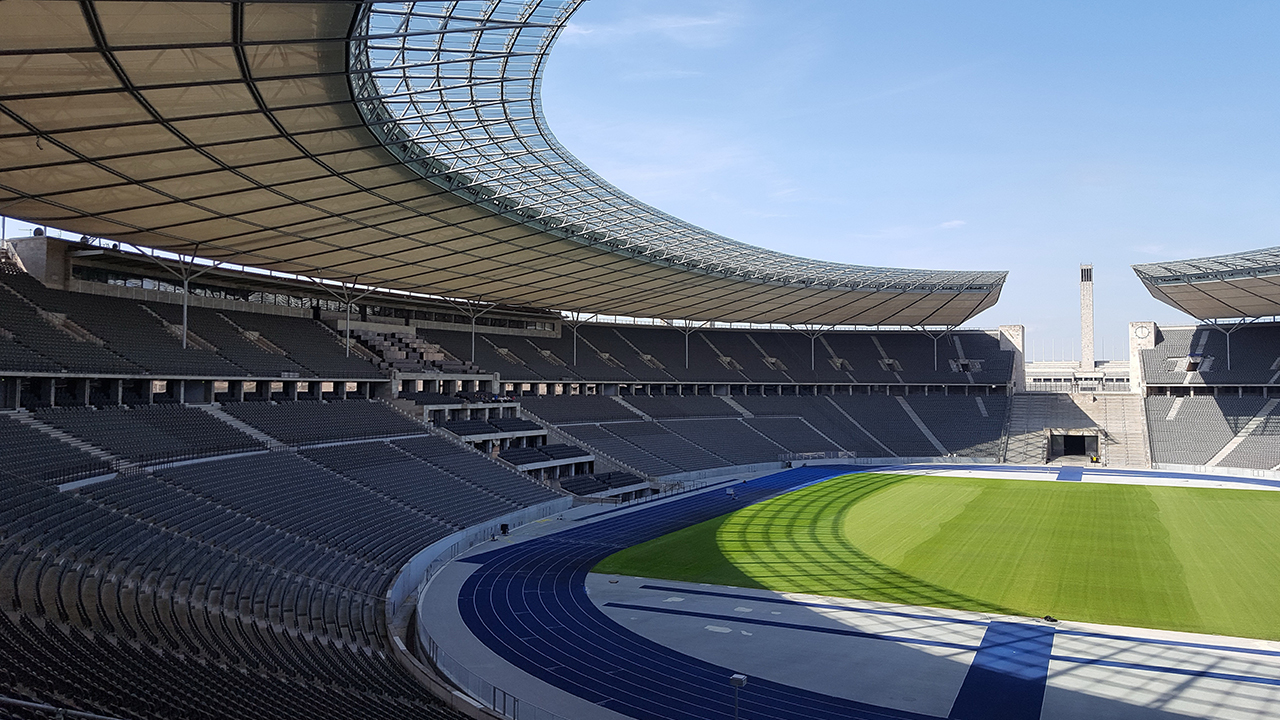
1. The Energy Trap: More Than Just WattsA 1000w Metal Halide is not 1000w-it's 1150W with ballast losses, Switching to a 400W LED Sports light deliversequal (or better)brightness at a fraction of the energy.
Example:
| Metric |
Metal Halide |
LED |
| Fixtures |
140 |
140 |
| Operating |
200 days/year * 6 hours/day |
200 days/year * 6 hours/day |
| Electricity cost |
$0.12/kWh |
$0.12/kWh |
| Annual cost |
~$54,000 |
~$18,000 |
That's a $36,000 saving every single yearAnd if your electricity rates are higher, or your facility operates longer hours, the savings multiply fast.
2.The Maintenance Black Hole
Traditional lights don't just burn electricity-they burn through your maintenance budget.
Lifespan: Metal Halide 15,000-20,000h vs LED 100.000h
Brightness loss: Metal Halide drops 50% output within 7,500h (half-life)
Maintenance cost: High-altitude bulb replacement requires cranes, labor, and downtimeOver a decade, the cost of replacements, labor, and disruption can easily exceed six figures. LED eliminates this cycleno more expensive bulb swaps, no more recurring headaches.
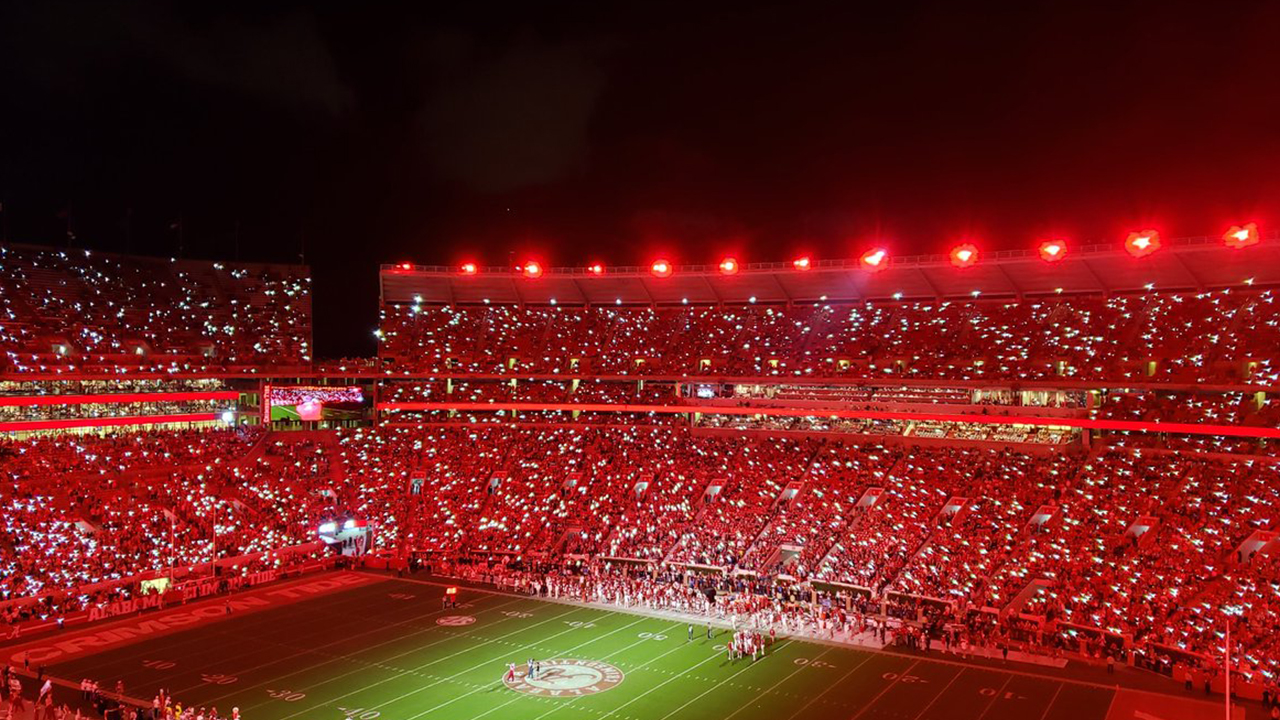
3. The Quality Gap: why Poor Light Costs More
Lighting is not only about brightness-it's about clarity, safety, and experience.
HPS CRI: <30(poor color rendering, dull orange light)
Metal Halide CRI: Better, but still inconsistent and degrading
LED CRI:>70 (often >80), delivering sharp visuals and true colorsThe result?
VPlayers perform better with clear visibility
Fans enjoy vibrant, professional atmospheres
Broadcasters capture high-definition,TV-ready footageLow-quality light doesn't just look bad-it forces you to install more fixtures to compensate, driving costs higher.
The Invisible Losses Add Up
When you look beyond the wattage, here's what traditional stadium lighting really costs you:
Energy waste: 2-4* more than the rated power
Maintenance burden:recurring replacements & manpower
Performance penalty: poor visibility, more fixtures, dissatisfied fans
The Smarter choice: LED Sports LightingUpgrading to LED is no longer optional-it's a strategic investment.
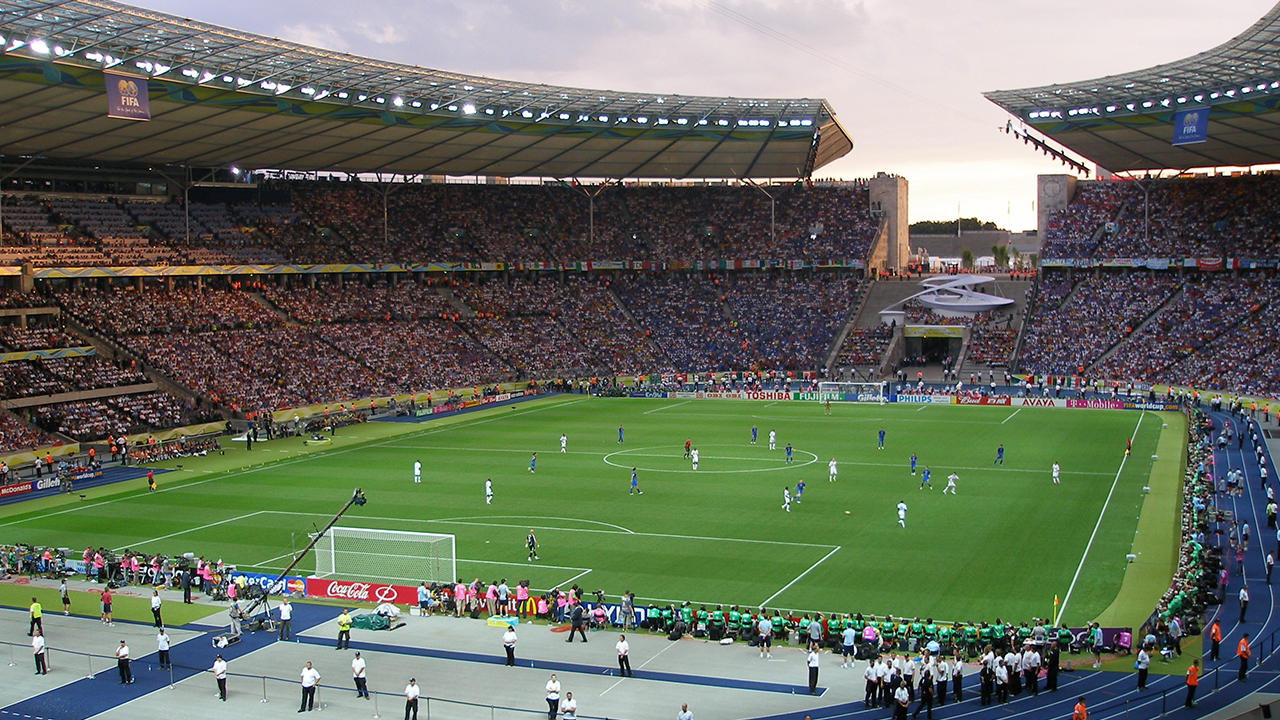
Save 50-70% on energy
Cut maintenance costs to near-zero
Provide world-class light quality for athletes, fans, and broadcasts
Support global sustainability goals
It's not just lighting it's the future of sports facilities.
The Bottom Line
Traditional lights cost far more than their wattage suggests. They bleed budgets, drain manpower, and downgradeexperiences.
LED lights, by contrast, give you:
Better light
Lower cost
Smarter, sustainable future
The question is: How much longer can your stadium afford to pay for invisible losses?Have you upgraded to LED yet? What was the biggest impact-energy savings, reduced maintenance, or improvedlight quality? Share your story below
